
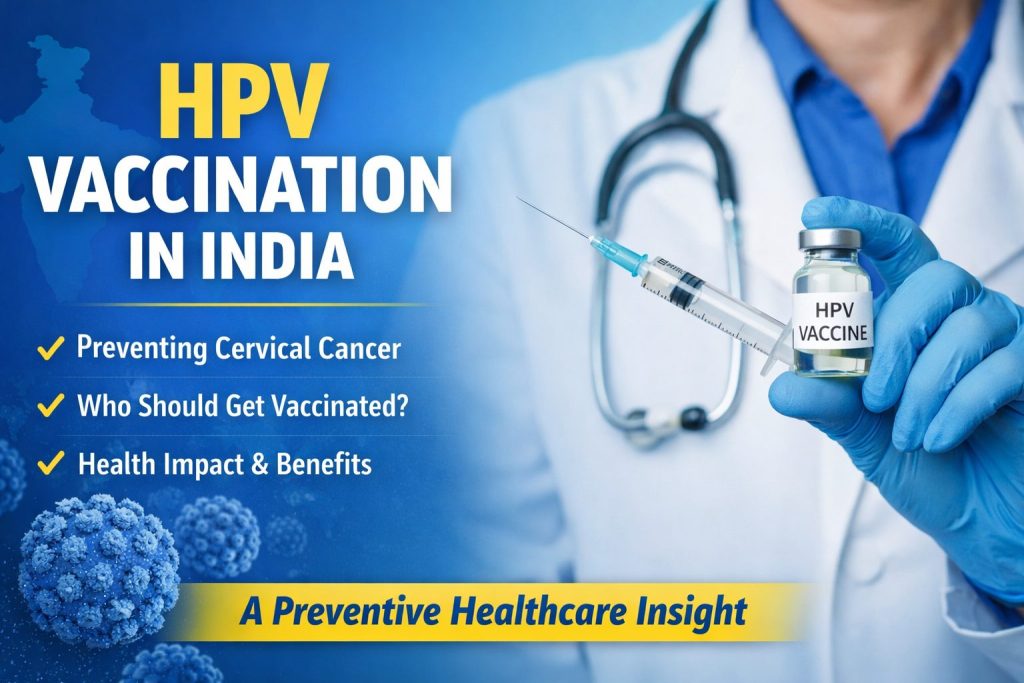
Preventive healthcare is no longer optional for India- it is necessary. Among the most important preventive steps in modern medicine is HPV vaccination.
Human Papillomavirus (HPV) is one of the leading cause of cervical cancer in India, Cervical cancer is one of the most common cancer in women. The positive news is that this cancer is largely preventable through vaccination and regular screening.
For hospitals, healthcare planners, and medical institutions, understanding HPV is important and is part of strengthening long-term preventive care systems.
What is HPV?
HPV ( Human Papillomavirus) is group of more than 200 related virus. Some types are harmless, but high risk strains cam be lead to:
- Cervical cancer
- Anal Cancer
- Oropharyngeal (throat) cancer
- Penile cancer
- Genital Warts
HPV types 16 and 18 are responsible for around 70% of cervical cancer cases worldwide.
The infection spread through skin to skin contact, including sexual contact. Most infections clear naturally, but infection with high risks can lead to cancer over time.
What is HPV Vaccine?
The most widely used vaccine globally is Gardasil 9.
It protects against nine HPV types, including:
- High risk cancer causing strains (including 16 and 18)
- Types that cause most genital warts
The vaccine does not contain live virus. it cannot cause HPV infection. It works by stimulating the immune system to produce antibodies against the virus.
Who Should Take the HPV Vaccine?
Recommended Age Group
- Ideal age: 9 to 14 years
- Catch up vaccination: up to 26 years
- In some cases, vaccination may be considered up to 45 years after medial advice
Vaccination before exposure to the virus provides the strongest protection
Both boy and girl can take this vaccine.
Dose Schedule
- Age 9-14 years: 2 doses (0 and 6 months)
- Age 15 years and above : 3 doses (0, 2, and 6 months)
The schedule should be followed as advised by a qualified medial practitioner
Is HPV Vaccination Safe?
Yes, The HPV vaccine has been used globally for more than 15 years and has undergone extensive safety monitoring
Common mild side effect may include:
- Paint at injection site
- Mild fever
- Temporary fatigue
seriou side effects are very rare
Does Vaccination Replace Cervical Cancer Screening?
No. Even after vaccination, women should continue regular cervical screening (pap smear or HPV testing). The vaccine does not protect against all HPV types.
Vaccine + screening together provide the strongest prevention strategy.
HPV Vaccination and India's Public Health System
India carries a significant cervical cancer burden. the awareness and vaccination coverage can reduce the long term cancer incidence.
Several Indian states have initiated HPV vaccination program in public health systems. Expansion of preventive oncology efforts can significantly reduce mortality in the coming decades.
For hospitals and healthcare institutions, preventive vaccination programs strengthen:
- Community health outcomes
- Public trust
- Long Term patient engagement
- Preventive Oncology Service
Why Preventive Healthcare Matters for Healthcare Institutions
Healthcare systems are evolving from reactive models to preventive care models.
Hospitals that support vaccination awareness
- Contribute to cancer prevention
- Strengthen women’s health prograes
- Improve long term community outcomes
- Align with national healthcare priorities
Preventive health initiatives reflects institutional responsibility and forward planning
Disclaimer
The information provided in this article is for general awareness and educational purpose only, while every effort has been made to ensure accuracy, medical guideline and recommendations may change over time. Readers are advised to consult a qualified healthcare professional before making any medical decisions regarding HPV vaccination